
A Case for the Disposable Camera
The introduction of the world’s first mass-produced disposable cameras came in 1986, when Fujifilm released the Quicksnap. It was affordable and intuitive, and users could take it to their local camera shop for development. Since then, competing brands have created their own lines of cameras. Kodak released the Fling in 1987, which was smaller and cheaper than the Quicksnap model. But a year later, Fujifilm came out with the Quicksnap Flash, a camera able to shoot anywhere with any lighting and solidifying their position on top of the disposable camera market.
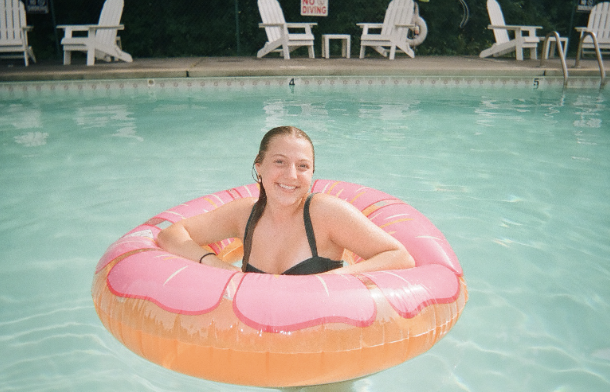
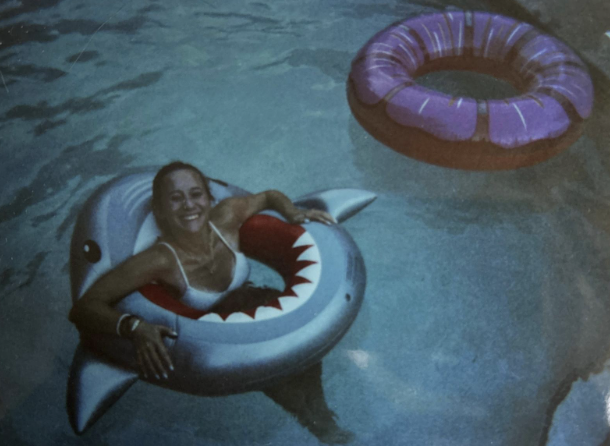
Disposable cameras are single-use, with virtually no purpose after the film has been developed. They have no zoom, manual focus, or any other way to change the controls. Additionally, there is always a risk that the photos are over or underexposed. It takes some practice to know which lighting is best and what situations are fit to use the flash. You pay for the initial camera and afterwards pay for the film to be developed at stores like Walmart, CVS or by sending it through mail to another developer.
These cameras became massively popular in amusement parks, on vacations, road trips, concerts, or with friends. Despite advancements in digital cameras and now smartphones, disposable cameras still hold strong influence after 40 years for Gen Z consumers.
For all of these reasons, and with the technology we have available today, why do we turn to disposable cameras to document our lives?
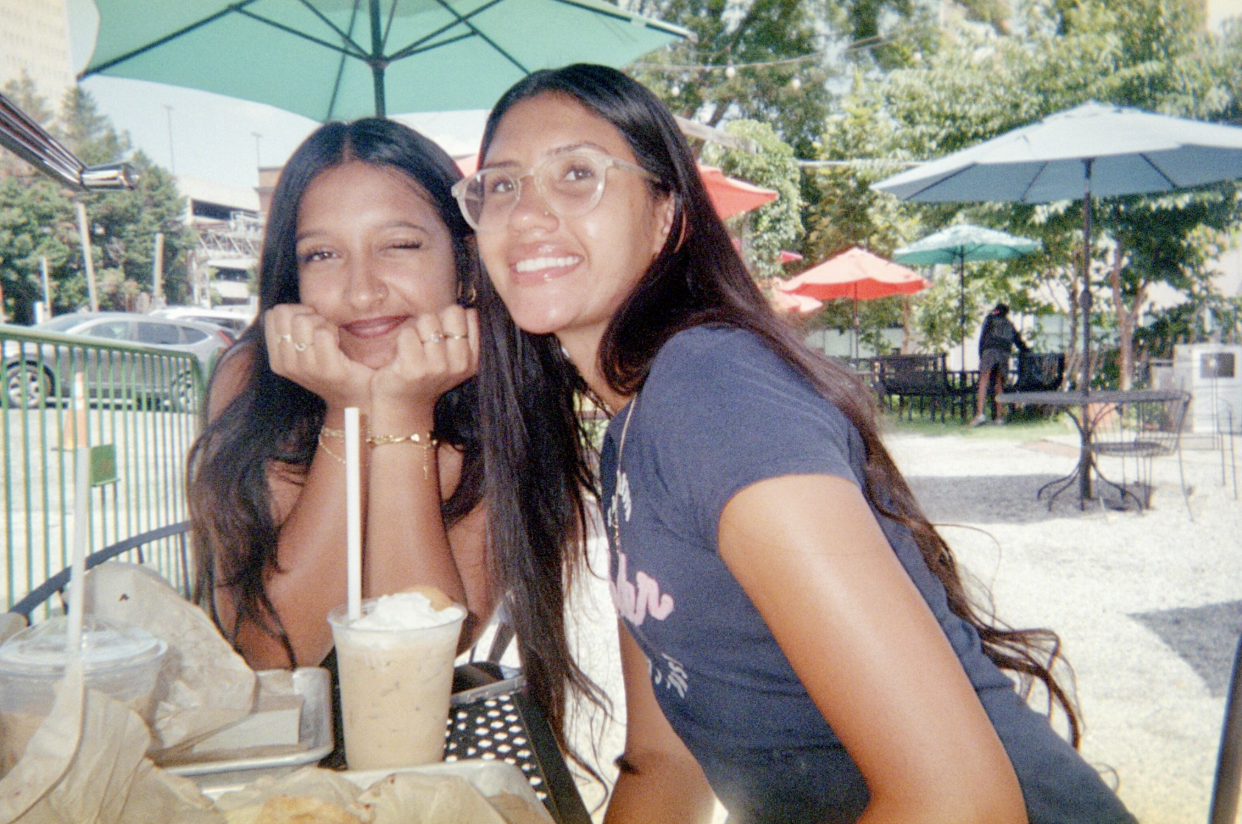
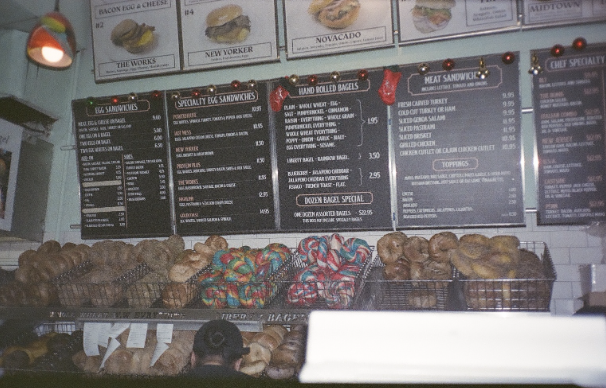
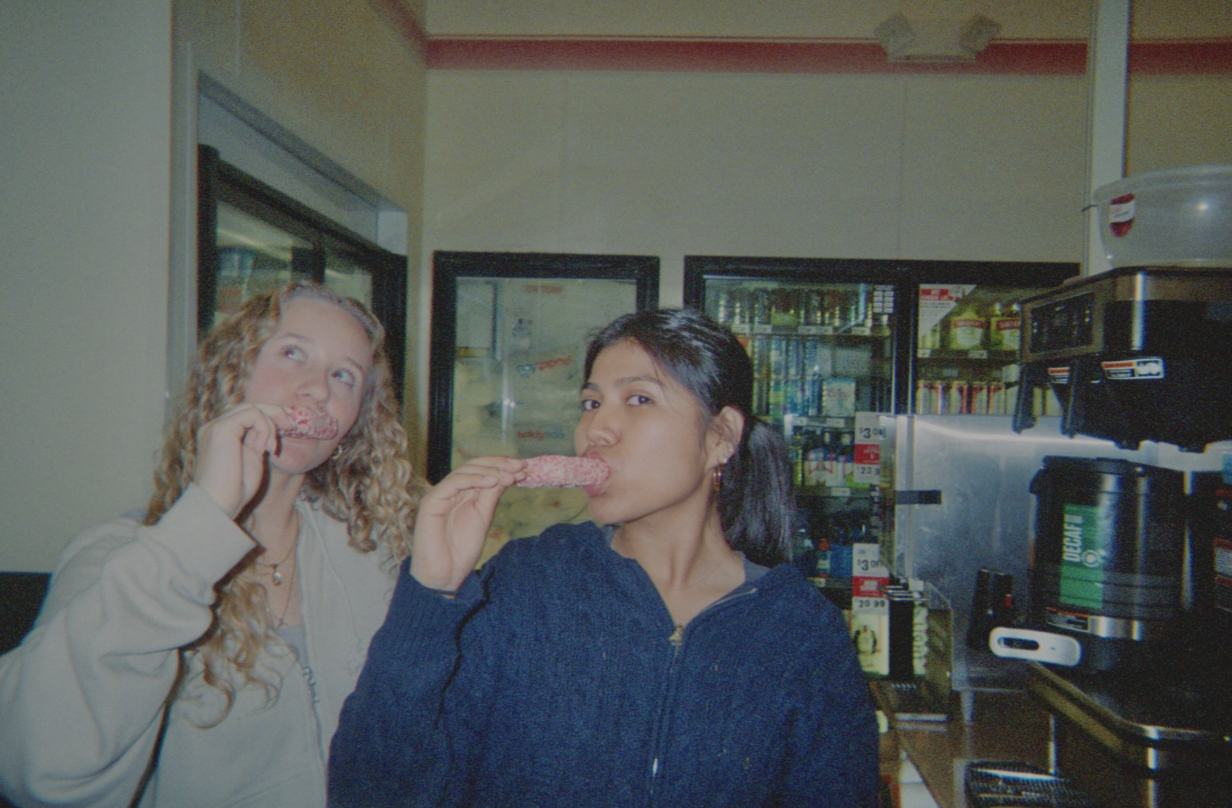

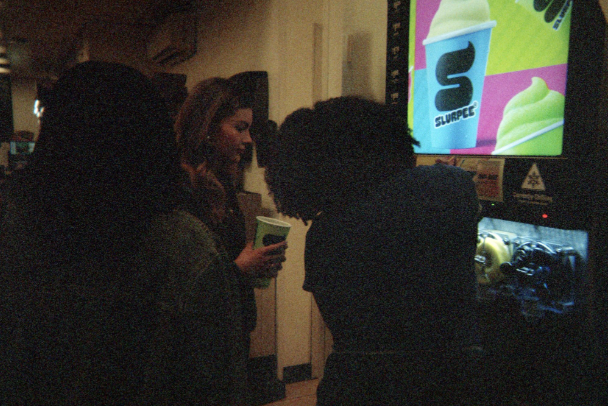


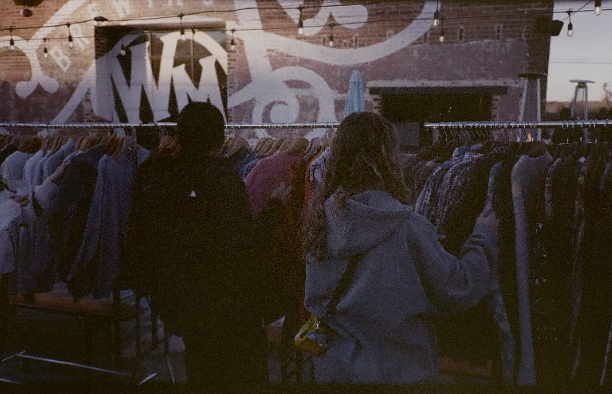
With a 27-exposure limit, you want to capture the most important moments and people on film. Just like in the past, we take these cameras on fun trips or use them across long periods of time. After they’re finished, there’s always anticipation for what your photos will look like. There’s no way to tell how they will turn out as the photo is taken in the moment. It’s authentic and done in a flash, not a million times over like you would with your iPhone.
Disposable cameras take the pressure off of being perfect. The photos themselves are often imperfect. They can be grainy, or have blemishes, or sometimes even be unrecognizable. But all of it doesn’t really seem to matter when you have physical copies of your most favorite moments with people you love.
It’s exciting to see your pictures come to life and have physical copies with you forever. While it’s great to have thousands of memories stored in our phones, printed photos of your friends and family seem to hold even more significance. Tangible photos set disposable cameras apart from anything else, because you know you’ll have something physical to remind you of special moments in your life.

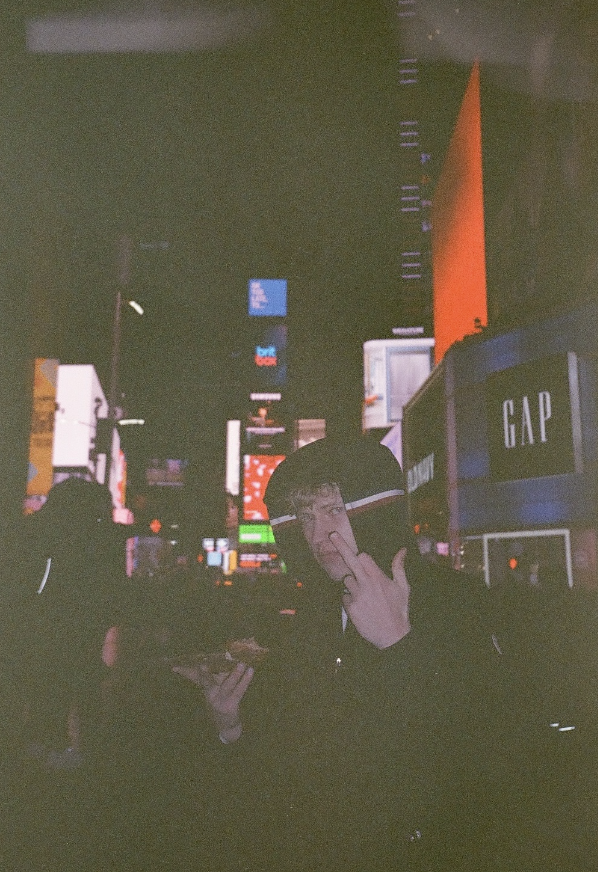
By having photos in memory boxes or hung up on dorm walls, it helps to connect us to people we care about. It’s a conversation starter when new friends come over. It pulls us away from screens and helps us to tell stories about our favorite vacations or trips. It’s important to have physical reminders of significant experiences that shape our lives because they offer a different perspective.
Despite the obstacles, disposable cameras don’t seem to be disappearing anytime soon. In an increasingly digital world where we can take, edit, and delete hundreds of photos in an instant, the imperfections and unpredictability are what draw people to them. The physical copies of your best moments allow memories to feel even more meaningful.
At The Edge, we love these cameras for what they represent, being present and capturing important moments as they happen.
We also love to see the film photos you capture, so next time you post, tag us @theedgemag!
Photo credits: Annablake Shotwell